


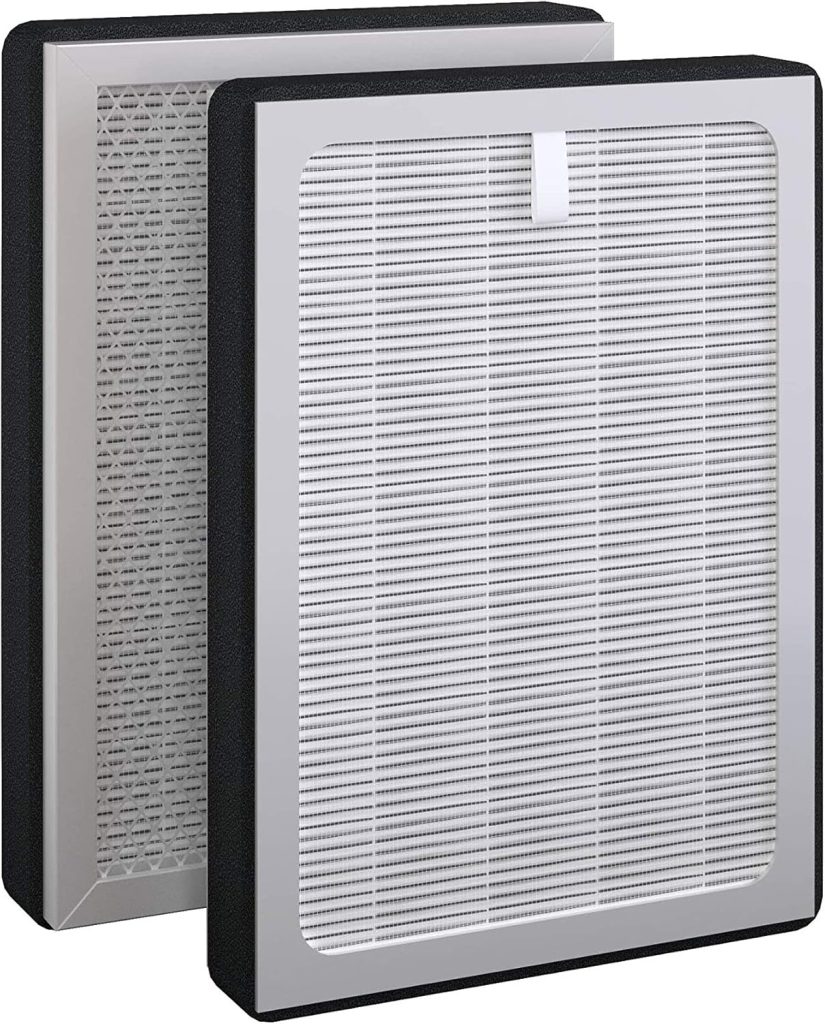
What they filter, where they’re used, and when to replace them
Proper ventilation is impossible without an effective air filtration system. Outdoor air may contain dust, pollen, car exhaust, mold spores, and other pollutants. That’s why ventilation systems—especially those with heat recovery—rely on a variety of filters to ensure clean indoor air.
Let’s take a look at the four most common filter types used in ventilation systems: G4, F7, HEPA, and Carbon filters.
🔹 G4 Filter – Basic Protection
- Captures:
Large dust particles, hair, insects, pet fur, plant fluff. - Where it’s used:
Installed at the inlet of the ventilation system as a pre-filter to protect finer filters. - When to replace:
Every 2–3 months, depending on air quality and season (spring requires more frequent changes). - Pros:
Inexpensive, easy to replace, protects system components from larger debris.
🔹 F7 Filter – Fine Air Filtration
- Captures:
Fine dust, pollen, mold spores, PM10 particles. - Where it’s used:
In homes and offices, especially in urban areas. Great for people with allergies. - When to replace:
Every 4–6 months or sooner in polluted areas. - Pros:
Significantly improves indoor air quality and reduces allergy symptoms.
🔹 HEPA Filter – Maximum Protection
- Captures:
Particles as small as 0.3 microns, including viruses, bacteria, smoke, and pollen. - Where it’s used:
Ideal for bedrooms, nurseries, healthcare settings, and homes with elderly or allergy-prone individuals. - When to replace:
Every 6–12 months, depending on usage and environment. - Pros:
Removes up to 99.97% of airborne pollutants.
⚠️ Requires proper maintenance and certified replacements.
🔹 Carbon Filter – Odor & Gas Elimination
- Captures:
Odors, formaldehyde, VOCs (volatile organic compounds), exhaust fumes. - Where it’s used:
Kitchens, apartments near roads or factories. Best used together with G4 or F7 filters. - When to replace:
Every 3–6 months, depending on saturation level. - Pros:
Neutralizes unpleasant smells and harmful gases.
💡 Does not trap dust—should be combined with particulate filters.
💡 Which Filter Should You Choose?
| Filter Type | Blocks | Ideal For | Replacement Interval |
|---|---|---|---|
| G4 | Large dust, hair | General use | Every 2–3 months |
| F7 | Pollen, fine dust | Allergy sufferers, urban homes | Every 4–6 months |
| HEPA | Viruses, bacteria | Children, elderly, hospitals | Every 6–12 months |
| Carbon | Odors, gases | Kitchens, city apartments | Every 3–6 months |
⚠️ Why Timely Filter Replacement Matters
- Reduced airflow and efficiency
- Higher energy consumption
- Dirty filters become a source of contamination
- Poor air quality increases health risks
📌 At Datevi, we not only install advanced ventilation systems—we also provide regular maintenance, filter replacements, and user training for long-term performance.

