


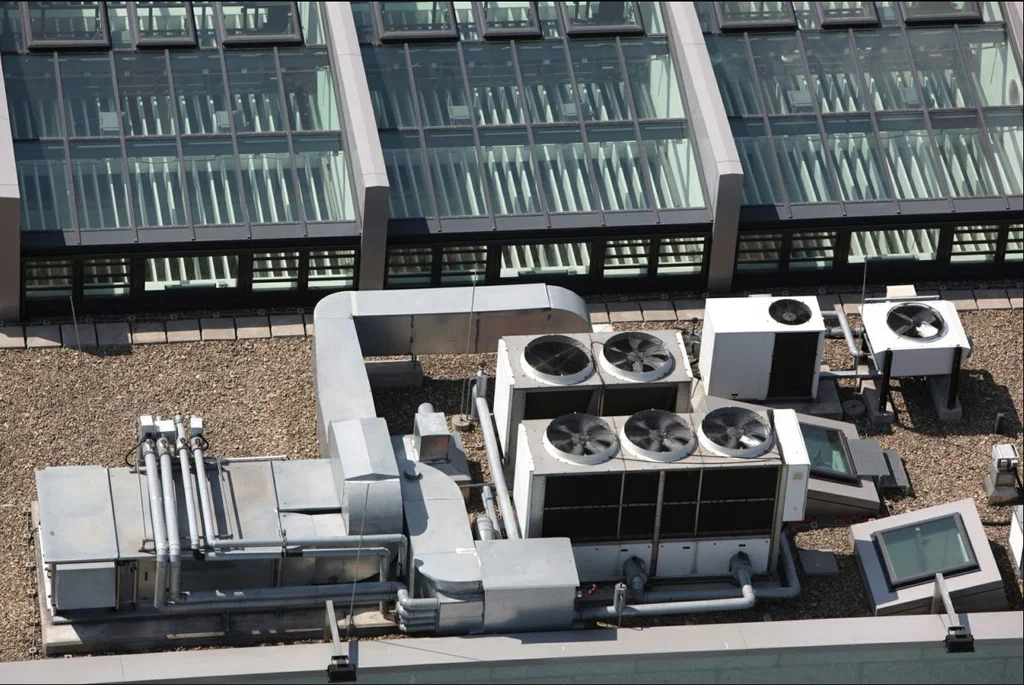
At DATEVI, we believe in the power of innovation to improve everyday comfort and reduce energy consumption. One of the key technologies we offer for sustainable climate control in buildings is Heat Recovery Ventilation (HRV), also known as Mechanical Ventilation with Heat Recovery (MVHR).
What is HRV?
HRV is a smart ventilation system that exchanges air between indoor and outdoor environments, recovering thermal energy in the process. It minimizes the need for heating or cooling by using outgoing stale air to precondition incoming fresh air. This process significantly reduces energy consumption, especially in buildings that prioritize airtight construction and energy efficiency.
How it Works
Our HRV systems are equipped with a highly efficient heat exchanger. As warm, stale air is extracted from wet rooms (like kitchens and bathrooms), it passes through the exchanger and transfers its heat to the cooler incoming fresh air from outside—without mixing the two air streams. This means indoor air quality improves, while heating costs are reduced.
Depending on the configuration and climate, HRV systems can recover between 60–95% of the thermal energy from the exhaust air. This makes it an essential solution for residential homes, offices, commercial centers, and passive house projects.
Why Choose DATEVI HRV Systems?
- ✅ High Efficiency: Our advanced systems offer one of the best energy recovery rates on the market.
- ✅ Quiet and Reliable: Low-noise operation and long-term durability make our systems ideal for both homes and businesses.
- ✅ Fresh Indoor Air: Constant ventilation reduces humidity, allergens, and CO₂ levels, contributing to a healthier living environment.
- ✅ Smart Control: DATEVI HRV units can be integrated into modern smart home systems or building automation systems (BMS).
- ✅ Year-Round Comfort: Preheats air in winter and precools it in summer, ensuring comfort in all seasons.
HRV vs ERV
DATEVI also offers Energy Recovery Ventilation (ERV) systems, which, in addition to heat, transfer moisture. This is especially useful in humid or dry climates. While both HRV and ERV improve energy efficiency, the choice depends on the specific needs of your building and environment. Our experts will help you choose the best system for your project.
Ideal for Sustainable Buildings
Implementing HRV or ERV systems is a key step toward compliance with international energy standards such as ASHRAE, LEED, or Passivhaus. DATEVI solutions help reduce your building’s carbon footprint while improving air quality and thermal comfort.

